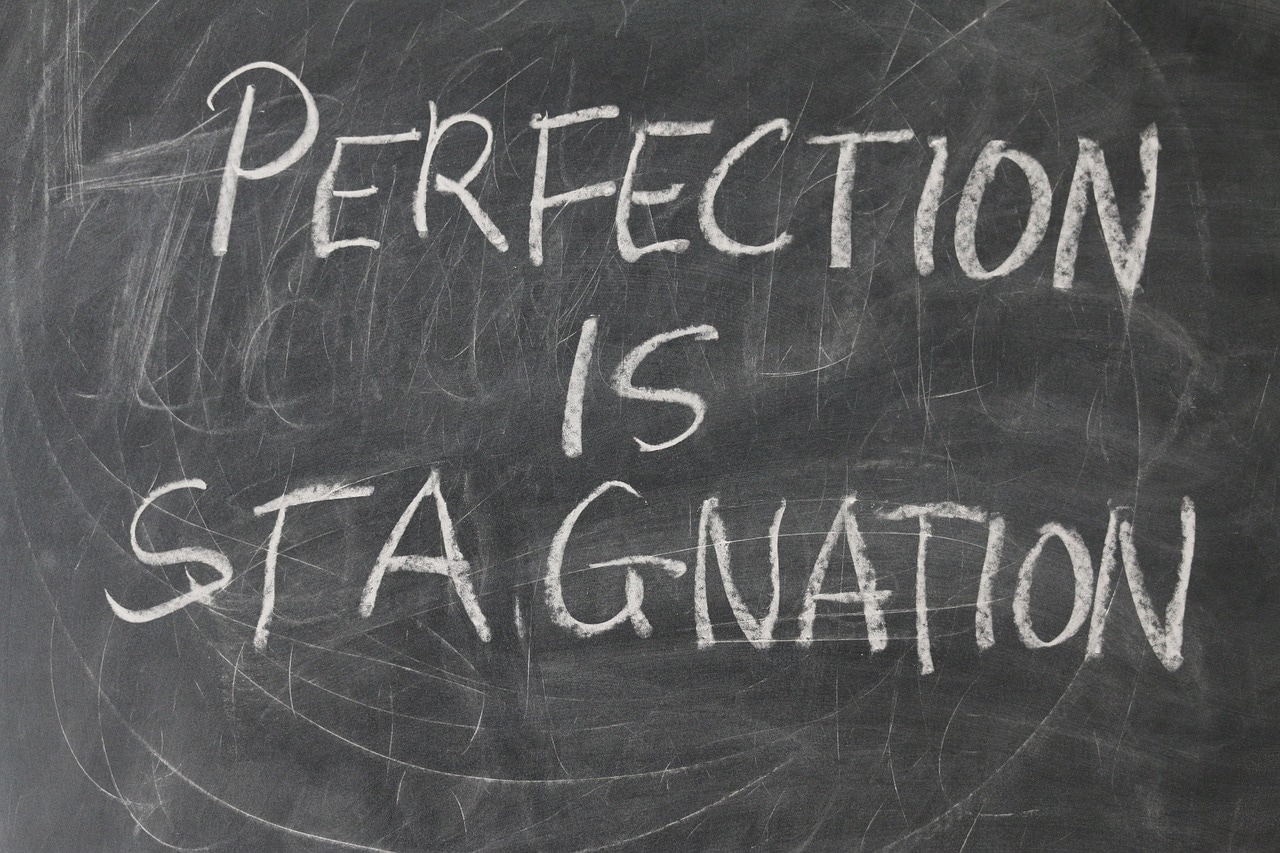
This article explores how perfectionism and procrastination interact to block goal execution, with practical observations on when these patterns are most likely to appear.
How Perfectionism and Procrastination Undermine Goal Execution
Perfectionism and procrastination are often discussed as separate problems, but they frequently work together to delay progress. A person who waits for the 'right moment' to start a task may be avoiding the discomfort of imperfect action, not the task itself. This article examines how these patterns show up in everyday situations, such as writing a report, applying for a job, or starting a fitness routine. The editorial perspective is that perfectionism is not always about high standards; it can be a way to avoid risk or judgment. Procrastination, in turn, is not laziness; it is often a response to unclear priorities or overwhelming scope. For example, someone in Dublin who wants to start a business may spend weeks researching competitors without ever making a single decision, because the research feels safer than action. The article does not claim that overcoming these patterns is easy or guaranteed, but it does suggest that recognizing the pattern is the first step. It also notes that some people benefit from external accountability, while others find that self-imposed deadlines work better. The trade-off is that external accountability can feel coercive, while self-imposed deadlines may lack urgency. This article is written for readers in Ireland who want to understand the mechanics of goal execution without being told what to do.
How perfectionism and procrastination interactWhy procrastination is often a response to unclear prioritiesThe role of external accountability vs. self-imposed deadlinesPractical observations on when these patterns are most likely to appear